Supraventricular Tachycardia: Symptoms, ECG, Causes, Medication, and Treatment Options

Supraventricular tachycardia is a type of abnormal heart rhythm that causes the heart to beat faster than normal because of unusual electrical activity originating in the upper chambers of the heart or nearby electrical pathways. Often abbreviated as SVT, this condition can affect people of different ages and may occur in individuals who have no known structural heart disease. Some people experience occasional episodes that stop on their own, while others have repeated episodes that interfere with everyday activities.
Understanding supraventricular tachycardia symptoms, diagnostic tests, and available treatments can help people recognize when they need medical attention. Common experiences include a racing heartbeat, dizziness, chest discomfort, shortness of breath, and a feeling that the heart is suddenly pounding. The frequency and severity of these symptoms vary from person to person.
Medical professionals can use an electrocardiogram, heart monitoring, and other examinations to identify the rhythm and determine the most appropriate management plan. Depending on the type of SVT and the patient’s overall health, treatment may involve observation, specific medicines, techniques that help slow the heart rate, or a procedure called catheter ablation. This article explains the condition, its symptoms, diagnosis, treatment options, and related heart rhythm terms in accessible language.
What Is Supraventricular Tachycardia?
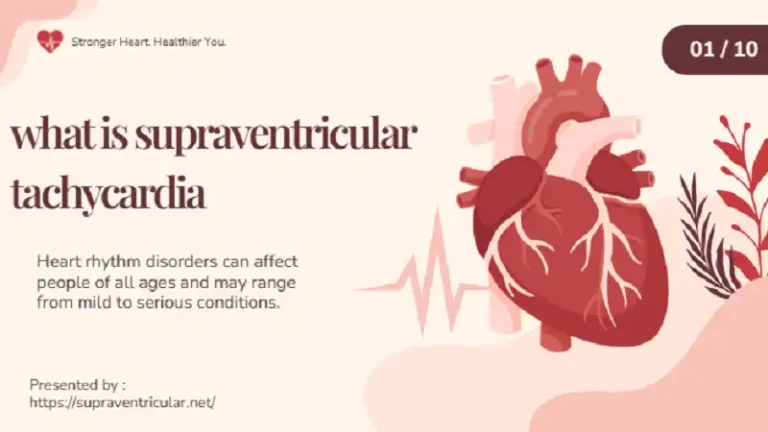
Supraventricular tachycardia is a rapid heart rhythm that begins above the ventricles, which are the heart’s lower pumping chambers. Under normal circumstances, electrical signals travel through the heart in a coordinated sequence, allowing the chambers to fill and pump blood efficiently. SVT occurs when an abnormal electrical circuit or a group of unusually active heart cells causes the heartbeat to accelerate.
During an episode, the heart may beat very quickly, sometimes reaching rates of 150 to 250 beats per minute or higher depending on the rhythm and circumstances. A fast heart rate can reduce the time available for the heart chambers to fill between beats. This may cause symptoms such as lightheadedness, weakness, breathlessness, or chest discomfort.
SVT is a broad term that includes several different rhythm disorders. The exact type matters because some forms are best managed with medication, while others may be treated effectively with catheter ablation. A healthcare professional can assess the rhythm, identify possible contributing factors, and recommend care based on the individual’s symptoms and medical history.
What Is Paroxysmal Supraventricular Tachycardia?
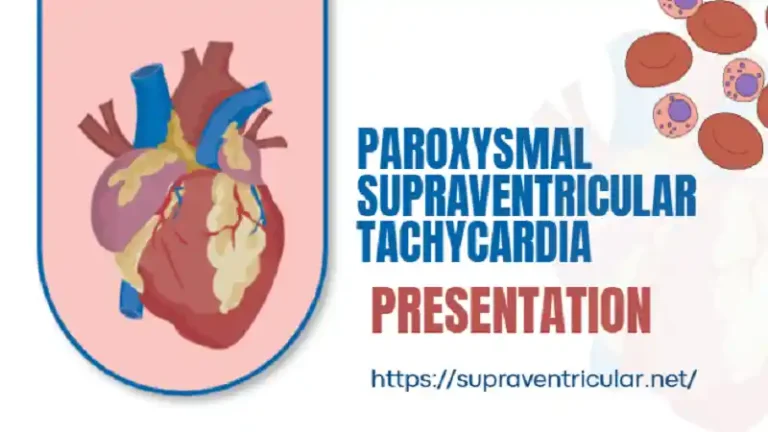
Paroxysmal supraventricular tachycardia, commonly called PSVT, refers to episodes of rapid heart rhythm that usually begin and end suddenly. The word paroxysmal describes a condition that occurs in distinct attacks rather than remaining continuously present. A person may feel completely normal between episodes, which can make the condition difficult to document during a routine appointment.
PSVT often results from an electrical signal traveling repeatedly through an abnormal pathway or circuit. Common mechanisms include atrioventricular nodal reentrant tachycardia, known as AVNRT, and atrioventricular reentrant tachycardia, known as AVRT. Atrial tachycardia can also cause episodes of rapid heart rhythm.
Episodes may last a few seconds, several minutes, or longer. Some stop without intervention, while others require medical treatment. The impact depends on the speed and duration of the rhythm, the person’s general health, and whether another heart condition is present.
Although PSVT is often manageable, recurring episodes should be discussed with a healthcare professional. A diagnosis can help determine whether monitoring, medication, or a procedure would provide the greatest benefit.
Common Supraventricular Tachycardia Symptoms
Supraventricular tachycardia symptoms can range from mild palpitations to more concerning signs of reduced blood flow. Some people notice only a sudden racing heartbeat, while others experience several symptoms together. Episodes may happen during activity, at rest, or without an obvious trigger.
Common symptoms include:
- A rapid or pounding heartbeat.
- Palpitations that begin suddenly.
- Dizziness or lightheadedness.
- Shortness of breath.
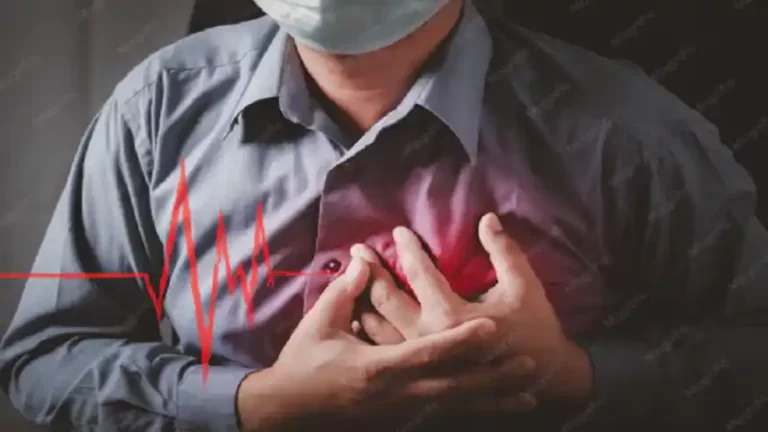
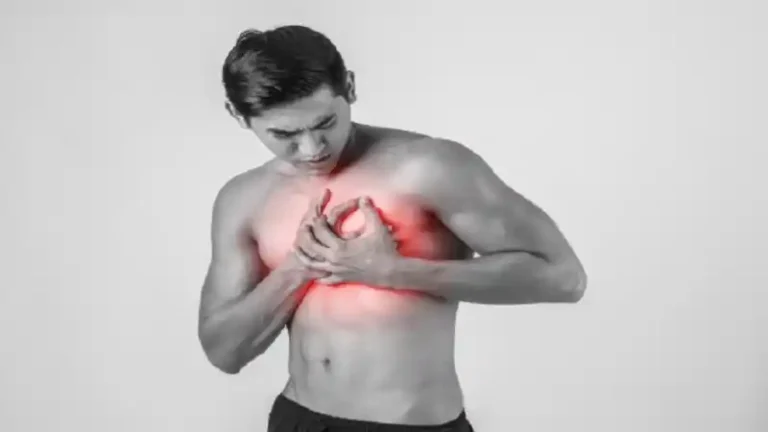
- Chest pressure or discomfort.
- Unusual tiredness or weakness.
- Anxiety or a feeling of alarm during an episode.
- Near fainting or, less commonly, fainting.
Some individuals describe a fluttering sensation in the chest or a strong pulsing feeling in the neck. Symptoms may be brief or continue until the abnormal rhythm stops. The presence of palpitations alone does not prove that someone has SVT because other rhythm problems and noncardiac conditions can produce similar sensations.
When Should Symptoms Be Taken Seriously?
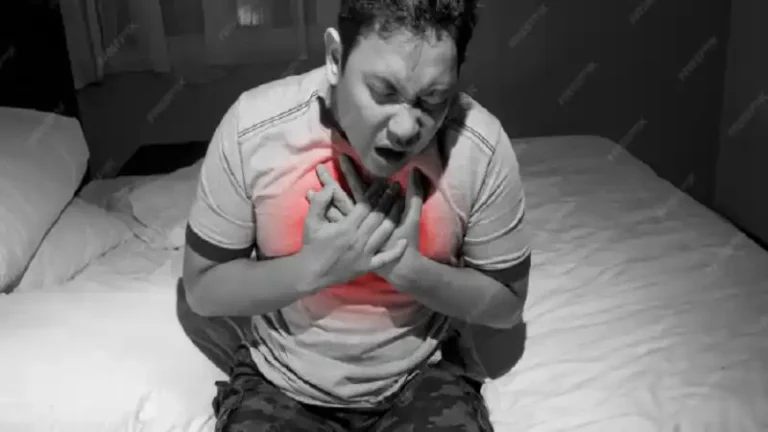
Seek emergency medical attention if a rapid heartbeat occurs with chest pain or pressure, significant breathing difficulty, fainting, severe weakness, confusion, or other signs of a serious medical problem. Do not assume that a new or severe episode is harmless simply because previous episodes stopped on their own.
Anyone experiencing repeated episodes, worsening symptoms, or a fast heartbeat that does not settle should contact a healthcare professional promptly. People with known heart disease or a history of serious rhythm problems may need a lower threshold for urgent assessment.
Causes and Triggers of Supraventricular Tachycardia
SVT often develops because of the way electrical signals move through the heart. In some people, an extra electrical pathway allows a signal to circulate repeatedly. In others, the abnormal rhythm begins when electrical activity originates from a particular area in the atria. These mechanisms can create a rapid heartbeat even when the heart’s structure is otherwise normal.
Several factors may trigger or contribute to episodes, although triggers vary among individuals. Possible contributors include emotional stress, inadequate sleep, dehydration, alcohol, caffeine, nicotine, stimulant drugs, and certain medicines. Some people experience episodes during exercise, while others notice them when resting or waking up.
Other medical factors can also affect heart rhythm. Thyroid disorders, electrolyte imbalances, and certain cardiac conditions may contribute to palpitations or influence treatment decisions. However, finding a trigger does not necessarily explain the underlying electrical mechanism.
Keeping a record of episodes can help identify patterns. Useful details include the time an episode started, how long it lasted, what the person was doing beforehand, any associated symptoms, and whether a wearable device recorded the heart rate. This information can support a more useful discussion with a clinician.
Understanding Supraventricular Tachycardia ECG Findings
A supraventricular tachycardia ECG, or electrocardiogram, records the electrical activity of the heart. It is one of the most useful tests for identifying the rhythm responsible for a rapid heartbeat. During an episode, an ECG can help clinicians evaluate the heart rate, rhythm regularity, shape of the electrical signals, and relationship between atrial and ventricular activity.
Many common forms of SVT produce a regular, rapid rhythm with narrow QRS complexes. However, the appearance can differ according to the specific rhythm and the way electrical signals travel through the heart. P waves, which reflect electrical activity in the atria, may be visible, difficult to distinguish, or hidden within other parts of the tracing.
An ECG cannot always identify the exact mechanism from one recording. Some rhythms require further evaluation, particularly when the tracing is unclear or the episode has already ended. A clinician must interpret the ECG alongside symptoms, medical history, and other test results.
What If the ECG Is Normal Between Episodes?
Because paroxysmal SVT can stop suddenly, a standard ECG taken between attacks may show a normal rhythm. A normal result at that time does not automatically rule out an intermittent arrhythmia.
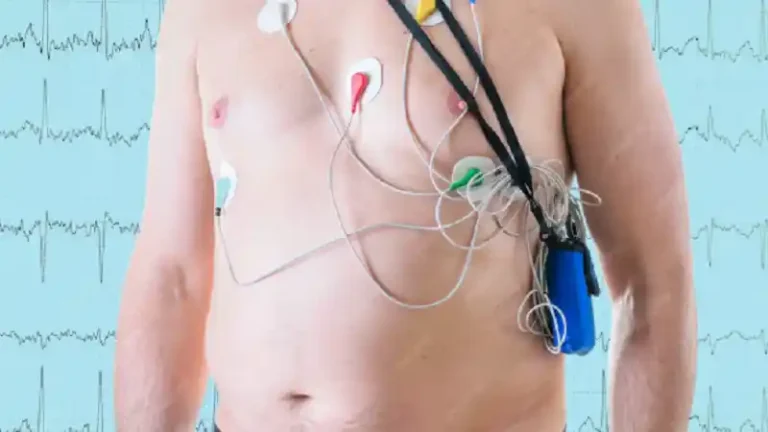
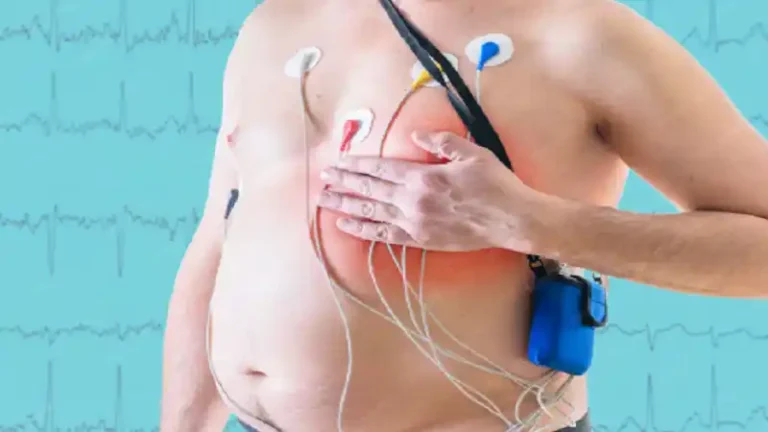
A healthcare professional may recommend a Holter monitor, event monitor, or another ambulatory heart monitor to record electrical activity over a longer period. The device used depends on how often symptoms occur. If episodes are rare, longer monitoring may be more useful than a short recording.
In selected cases, an echocardiogram may assess the heart’s structure and pumping function. Blood tests may also be appropriate when the clinician suspects a thyroid problem, electrolyte disturbance, or another contributing condition. An electrophysiology study can help identify the precise electrical pathway responsible when more detailed information is needed.
Supraventricular Ectopy and Premature Supraventricular Complexes
Supraventricular ectopy describes extra electrical beats that originate above the ventricles. These beats occur earlier than expected in the normal heart rhythm. They are often associated with premature atrial contractions, also called PACs, although the exact term used in a report depends on the origin and type of the electrical activity.
Premature supraventricular complexes are early beats that begin in the atria or another supraventricular region. A person may feel a skipped beat, a flutter, or a brief pause followed by a stronger heartbeat. Sometimes these extra beats cause no noticeable symptoms and are found only during an ECG or heart monitoring.
Supraventricular ectopy is not the same as a sustained episode of SVT. An occasional premature beat is a single early electrical event, whereas SVT involves a rapid rhythm that continues for a period of time. However, the two terms may appear together in a heart monitor report because both describe electrical activity originating above the ventricles.
Are Premature Supraventricular Complexes Dangerous?
Occasional premature beats are common and may not require treatment, particularly when there is no significant underlying heart disease. Possible triggers include caffeine, alcohol, stress, nicotine, and certain medicines. In some cases, frequent ectopic beats may warrant further assessment, especially if they occur alongside other symptoms or a known cardiac condition.
The importance of a finding depends on its frequency, the patient’s symptoms, the overall ECG pattern, and the presence of other medical problems. A clinician can explain the significance of the report and determine whether additional testing or changes in daily habits are appropriate.
Supraventricular Tachycardia Medication Options
Supraventricular tachycardia medication may be used to stop certain episodes, reduce how often they occur, or help control the heart rate. The choice depends on the type of SVT, the patient’s blood pressure, other medical conditions, current medicines, and whether the person is experiencing an episode at the time of treatment.
In a medical setting, adenosine may be used for certain regular SVT rhythms. It acts quickly on electrical conduction through the atrioventricular node and can interrupt some reentrant circuits. Clinicians monitor the patient during administration because the medicine can cause brief, uncomfortable sensations and is not appropriate for every type of rapid rhythm.
Beta blockers and certain calcium channel blockers may be prescribed for selected patients to reduce the likelihood of recurrent episodes or manage the heart rate. Other antiarrhythmic medicines may be considered in specific circumstances. Each medication has potential risks, interactions, and precautions, so treatment should be selected by a qualified clinician.
Can Medication Prevent Future Episodes?
For some people, medication helps reduce the frequency or severity of SVT episodes. Others may prefer a long-term procedure, particularly when attacks are frequent, disruptive, or difficult to manage with medicine. The best choice depends on the type of arrhythmia, how much it affects daily life, and the person’s preferences after discussing the options with a specialist.
Never start, stop, or change heart medication without medical advice. A medicine that is suitable for one type of arrhythmia may be inappropriate for another, and some treatments require particular caution in people with specific electrical pathways or underlying heart conditions.
Supraventricular Tachycardia Treatments
Supraventricular tachycardia treatments range from simple monitoring to medication and specialized procedures. Not everyone needs the same approach. People with rare, brief episodes and no concerning underlying condition may be managed differently from those with frequent attacks, severe symptoms, or evidence of another cardiac problem.
The main goal is to control symptoms, prevent troublesome recurrences, and address any associated condition. Clinicians also consider how the episodes affect sleep, work, exercise, and quality of life. Treatment decisions should be based on the documented rhythm rather than symptoms alone.
Vagal Maneuvers
For certain regular SVT episodes, a clinician may teach a patient a vagal maneuver. These techniques stimulate the vagus nerve and can slow conduction through the atrioventricular node, sometimes interrupting the abnormal rhythm.
One commonly used technique is the Valsalva maneuver, which involves a specific breathing and straining action. It should be performed according to instructions from a healthcare professional, who can explain when it is appropriate and how to do it safely. Do not attempt carotid massage or other potentially risky techniques on your own.
If an episode is accompanied by chest pain, fainting, severe shortness of breath, or other emergency symptoms, seek emergency care instead of relying on a maneuver.
Catheter Ablation
Catheter ablation is a procedure used to treat the electrical tissue or pathway responsible for certain types of SVT. A specialist guides thin catheters through blood vessels to the heart and uses energy to modify a small area involved in the abnormal rhythm.
For common forms of reentrant SVT, ablation can be highly effective and may prevent future episodes without the need for long-term medication. It is often discussed when episodes recur, cause significant symptoms, or when a patient prefers a procedure over ongoing medication.
As with any procedure, ablation has potential risks, and its suitability depends on the specific rhythm and the patient’s health. A cardiac electrophysiologist can explain the expected benefits, possible complications, and alternatives.
Emergency Treatment
When a rapid rhythm causes significant symptoms or affects circulation, urgent medical treatment may be required. Clinicians assess the patient’s stability and use treatment appropriate to the rhythm. This may involve monitored medication or, in certain unstable situations, electrical cardioversion.
The priority is to restore a safer heart rhythm and address any underlying cause. People should not attempt to manage a severe or unfamiliar episode using someone else’s medication or an unverified home remedy.
Lifestyle Habits That May Help Manage SVT
Lifestyle changes do not eliminate every form of SVT, but they may help some people reduce triggers and support overall cardiovascular health. The most useful changes depend on an individual’s pattern of episodes and any recommendations from their healthcare professional.
Helpful habits may include maintaining adequate hydration, getting regular sleep, avoiding smoking and recreational stimulants, and identifying whether alcohol or caffeine contributes to symptoms. People who notice a clear relationship between a particular trigger and their episodes can discuss practical ways to reduce exposure.
Regular physical activity may benefit general health, but people with unexplained rapid heartbeats or significant symptoms should ask a clinician about suitable exercise intensity. There is no universal rule that everyone with SVT must avoid exercise. Advice should reflect the person’s rhythm diagnosis, symptoms, and overall cardiovascular status.
It may also help to maintain a symptom diary and record any available heart rate readings. Smartwatches and other consumer devices can provide useful clues, but their readings are not a substitute for a diagnostic ECG or professional assessment.
Supraventricular Tachycardia ICD 10 Code
The supraventricular tachycardia ICD 10 code depends on the coding system and how specifically the diagnosis is documented. In the United States, the ICD-10-CM code I47.10 is used for supraventricular tachycardia, unspecified. Other codes within the I47.1 category may apply when the documented diagnosis is more specific.
Medical coding is used for clinical records, billing, and healthcare reporting. The correct code should be selected according to the clinician’s documentation and the applicable coding guidelines. A general code should not be assumed to cover every subtype of SVT.
Patients who see an ICD-10 code on a medical report can ask their healthcare provider or billing specialist to explain its meaning. The code itself does not describe the full severity of the condition, and it should be interpreted alongside the diagnosis, symptoms, and relevant medical findings.
What Is the Long Term Outlook for SVT?
Many people with SVT can manage the condition successfully, especially when the underlying rhythm has been identified and an appropriate plan is in place. Some experience occasional episodes with little impact on daily life. Others benefit from medication or catheter ablation to reduce recurrences and improve quality of life.
The outlook depends on the specific rhythm, episode frequency, associated heart conditions, and response to treatment. Frequent or prolonged rapid heart rhythms can sometimes affect heart function, making proper evaluation important. Symptoms such as fainting, chest pain, or severe breathlessness should never be dismissed.
Follow-up appointments allow the care team to review symptoms, assess treatment effectiveness, and determine whether further testing is needed. With an individualized management plan, many patients can return to their usual activities with greater confidence.
Frequently Asked Questions
What is the main symptom of supraventricular tachycardia?
The most common symptom is a sudden racing or pounding heartbeat. Other symptoms may include dizziness, shortness of breath, chest discomfort, weakness, or feeling close to fainting. Some people have few symptoms, so the rhythm may only be detected during monitoring.
Is paroxysmal supraventricular tachycardia dangerous?
PSVT is often treatable and is not life threatening for many otherwise healthy people. However, risk depends on the exact rhythm, the duration of episodes, symptoms, and any underlying heart condition. Severe symptoms or a rapid heartbeat accompanied by chest pain, fainting, or significant breathing difficulty require urgent medical attention.
Can an ECG detect supraventricular tachycardia?
Yes. An ECG recorded during an episode can often identify SVT and provide clues about its type. If the rhythm stops before testing, a routine ECG may be normal, and a Holter monitor or another longer-term recording device may be recommended.
What medication is used for SVT?
Depending on the rhythm and clinical situation, clinicians may use adenosine to interrupt certain acute episodes or prescribe beta blockers, selected calcium channel blockers, or other antiarrhythmic medicines for ongoing management. The right option must be chosen by a healthcare professional.
Are premature supraventricular complexes the same as SVT?
No. Premature supraventricular complexes are early beats originating above the ventricles. SVT is a sustained rapid rhythm. Occasional premature beats may be harmless, but frequent beats or symptoms should be assessed in the context of the person’s health and ECG findings.
Can supraventricular tachycardia go away permanently?
Some types of SVT can be treated very effectively with catheter ablation, which may prevent further episodes. Other people manage the condition with medication or monitoring. The likelihood of long-term success depends on the specific electrical mechanism and the individual’s clinical circumstances.
Conclusion
Supraventricular tachycardia is a rapid heart rhythm caused by abnormal electrical activity above the ventricles. It may occur as sudden episodes of paroxysmal supraventricular tachycardia or appear alongside findings such as supraventricular ectopy and premature supraventricular complexes. Recognizing symptoms and understanding the role of ECG testing can help people seek appropriate evaluation.
Treatment options include clinician-guided vagal maneuvers, medication, catheter ablation, and emergency care when necessary. The appropriate approach depends on the documented rhythm, symptoms, and overall health. Although many people manage SVT successfully, new or severe symptoms should never be ignored.
Anyone who experiences repeated palpitations, dizziness, or unexplained episodes of a rapid heartbeat should discuss them with a healthcare professional. Accurate diagnosis and an individualized care plan provide the best foundation for managing the condition safely. See more.





















Melanie at CraigScottCapital: Leadership, Investment Strategy, and Client-Focused Financial Planning