
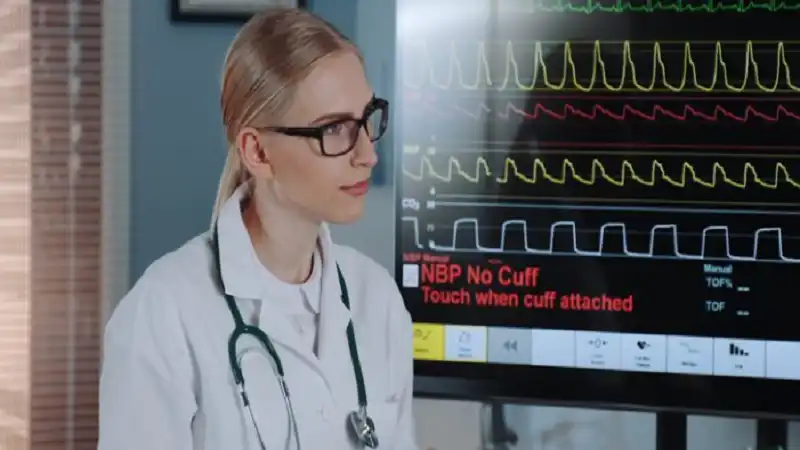
A supraventricular tachycardia ECG is one of the most important tools doctors use when evaluating episodes of a fast heartbeat that start in the upper chambers of the heart. An electrocardiogram (ECG or EKG) records the heart’s electrical activity and can help healthcare professionals identify abnormal rhythms.
Many people search for information about SVT ECG because they want to understand what appears on a heart test, why doctors request an ECG, and what the results may mean. Understanding the basics can make medical discussions easier, but ECG interpretation should always be performed by qualified healthcare professionals.
In 2026, ECG technology continues expanding beyond traditional hospital testing. Wearable devices and portable ECG monitors are helping some patients record heart rhythm information outside clinical settings. However, professional evaluation remains essential because many heart rhythm conditions can appear similar.
What Is Supraventricular Tachycardia?
Supraventricular tachycardia (SVT) refers to a group of rapid heart rhythms that begin above the ventricles, usually in the atria or areas involved in the heart’s electrical conduction system.
The heart normally beats through an organized electrical process:
- Electrical signals begin in the heart’s natural pacemaker.
- Signals travel through the atria.
- The impulse passes through the atrioventricular (AV) node.
- The ventricles contract and pump blood.
In SVT, abnormal electrical activity can cause the heart to beat much faster than normal.
Common SVT types include:
- Atrioventricular nodal reentrant tachycardia (AVNRT)
- Atrioventricular reentrant tachycardia (AVRT)
- Atrial tachycardia
The exact rhythm type is determined through clinical assessment and ECG analysis.
Why Is an ECG Used for SVT?
An ECG provides a visual record of the heart’s electrical signals. During an SVT episode, the recording may help doctors identify the type of rhythm and determine the most appropriate management approach.
A healthcare professional may examine:
Heart Rate
SVT episodes often involve a rapid heart rate. The ECG helps measure how fast the heart is beating.
Rhythm Pattern
Doctors evaluate whether the heartbeat is regular or irregular. Some SVT rhythms produce very consistent patterns, while others may have different characteristics.
Electrical Waveforms
An ECG displays waves and intervals that represent different stages of electrical activity in the heart. Specialists analyze these details to understand how signals are traveling.
Relationship Between Atrial and Ventricular Activity
The connection between upper and lower heart chambers can provide clues about the origin of the rhythm.
What Does SVT Look Like on an ECG?
The appearance of SVT on an ECG can vary depending on the specific type of rhythm. There is no single pattern that represents every form of supraventricular tachycardia.
Common features doctors may consider include:
| ECG Feature | What It Helps Show |
|---|---|
| Fast heart rate | Indicates rapid electrical activity |
| Rhythm regularity | Helps identify rhythm patterns |
| QRS appearance | Helps assess ventricular conduction |
| P-wave visibility | Provides information about atrial activity |
| Timing intervals | Helps evaluate electrical conduction |
A narrow QRS complex is often seen in many SVT rhythms when conduction through the ventricles follows the normal pathway. However, interpretation depends on the complete ECG pattern and the patient’s clinical situation.
The Importance of Capturing an ECG During Symptoms
One challenge with SVT diagnosis is that episodes may start and stop suddenly. A normal ECG recorded when a person is not experiencing symptoms may not show the abnormal rhythm.
For this reason, doctors may recommend different monitoring methods, including:
Holter Monitoring
A portable device records heart activity continuously, often over a period of one or more days.
Event Monitoring
These devices allow patients to record heart rhythm when symptoms occur.
Wearable ECG Devices
Some consumer devices can capture single-lead ECG recordings. These may provide useful information, but they do not replace medical evaluation.
The goal of monitoring is to capture the rhythm at the time symptoms happen.
Symptoms That May Occur With SVT
Symptoms can vary between individuals. Some people notice sudden episodes of rapid heartbeat, while others may have mild or no symptoms.
Possible symptoms include:
- Feeling a fast or pounding heartbeat.
- Awareness of heart rhythm changes.
- Lightheadedness.
- Shortness of breath.
- Chest discomfort.
- Fatigue.
Symptoms alone cannot confirm SVT. An ECG or other medical assessment is needed to determine the cause.
Understanding the Difference Between Heart Rate and Heart Rhythm
A common misunderstanding is that any fast heartbeat means SVT. This is not always true.
Heart rate can increase normally during:
- Exercise.
- Stress.
- Fever.
- Physical activity.
- Emotional situations.
SVT is different because it involves an abnormal electrical rhythm originating above the ventricles.
A doctor considers several factors, including symptoms, medical history, ECG findings, and other test results.
How Doctors Interpret Supraventricular Tachycardia ECG Findings
Reading a supraventricular tachycardia ECG requires medical training because several heart rhythms can look similar. Doctors do not rely on one ECG feature alone. They evaluate the complete tracing along with symptoms, medical history, and other clinical information.
Important ECG considerations include:
Rate and Rhythm Regularity
Doctors assess how quickly the heart is beating and whether the rhythm follows a consistent pattern.
Some SVT rhythms produce a very regular heartbeat, while other conditions may cause irregular patterns. The rhythm pattern helps narrow down possible causes.
QRS Complex Evaluation
The QRS complex represents electrical activation of the ventricles. Doctors examine its width and appearance because it can provide information about how electrical signals travel through the heart.
A narrow QRS complex is commonly associated with many SVT rhythms, but a wider QRS does not automatically identify a different condition. Additional evaluation may be required.
P-Wave Analysis
The P-wave represents atrial electrical activity. In some SVT types, P-waves may be difficult to see because they occur close to or within other ECG signals.
Specialists analyze the relationship between P-waves and ventricular activity to help identify the rhythm source.
Clinical Context
An ECG result is interpreted together with the person’s symptoms and health history. The same ECG finding may have different meanings depending on the individual situation.
How SVT Is Diagnosed
Diagnosis usually begins with a discussion about symptoms and medical history. A healthcare professional may ask about:
- When episodes begin and end.
- How often symptoms occur.
- Possible triggers.
- Previous heart conditions.
- Family medical history.
Testing may include:
Electrocardiogram (ECG)
An ECG records the heart’s electrical activity and may identify SVT if the abnormal rhythm occurs during the test.
Ambulatory Heart Monitoring
If episodes are occasional, longer monitoring may be recommended. Devices such as Holter monitors or event recorders can capture heart rhythms during daily activities.
Echocardiogram
An echocardiogram uses sound waves to create images of the heart. It may help evaluate heart structure and function.
Electrophysiology Study
In some cases, specialists perform an electrophysiology study to examine the heart’s electrical pathways and identify the source of an abnormal rhythm.
Treatment Options for Supraventricular Tachycardia
Treatment depends on factors such as the type of SVT, symptom severity, frequency of episodes, and overall health.
Common approaches include:
Vagal Maneuvers
Certain techniques that stimulate the vagus nerve may slow some SVT rhythms. These should only be performed according to guidance from a healthcare professional.
Medications
Doctors may prescribe medications that help control heart rhythm or reduce the frequency of episodes.
The choice of medication depends on the individual’s condition and medical history.
Catheter Ablation
Catheter ablation is a procedure that uses energy to target areas of heart tissue responsible for abnormal electrical signals.
For some types of recurrent SVT, ablation may provide a long-term treatment option. A cardiologist determines whether it is appropriate.
When SVT May Require Urgent Medical Attention
Many SVT episodes are not immediately dangerous, but certain symptoms require prompt medical evaluation.
Seek urgent medical care if a rapid heartbeat is accompanied by:
- Severe chest pain.
- Fainting.
- Severe breathing difficulty.
- Extreme weakness.
- New or unusual symptoms.
People with known heart conditions or concerning symptoms should follow medical advice specific to their situation.
Advances in Heart Rhythm Monitoring in 2026
Technology continues changing how heart rhythms are monitored. Traditional ECG machines remain important, but portable monitoring tools are becoming more common.
Current developments include:
Wearable Heart Monitoring
Smartwatches and portable ECG devices can help some users record heart rhythm information outside hospitals.
These devices may help document episodes, but they are not designed to replace professional diagnosis.
Remote Patient Monitoring
Healthcare systems are increasingly using digital tools to collect health information remotely and support follow-up care.
Improved Data Analysis
Computer-assisted ECG analysis continues developing as researchers explore ways to help clinicians review large amounts of heart rhythm data more efficiently.
Medical professionals remain responsible for interpreting results because technology tools must be considered alongside clinical information.
Common Questions About SVT ECG
Can an ECG always detect SVT?
No. An ECG can identify SVT when the abnormal rhythm occurs during recording. If the episode has ended, the ECG may appear normal, and additional monitoring may be needed.
Is SVT the same as a heart attack?
No. SVT is an abnormal rapid rhythm, while a heart attack occurs when blood flow to part of the heart muscle is blocked. However, some symptoms can overlap, so concerning symptoms should be evaluated.
Can a smartwatch detect SVT?
Some wearable devices can record heart rhythm information, but they cannot diagnose every type of SVT. Medical professionals should review any concerning findings.
Is SVT dangerous?
The risk depends on the specific rhythm, underlying heart health, and individual circumstances. A healthcare professional can provide the most accurate assessment.
Key Takeaways
- A supraventricular tachycardia ECG helps doctors evaluate rapid rhythms that begin above the ventricles.
- ECG interpretation involves examining heart rate, rhythm pattern, electrical waves, and clinical information.
- A normal ECG between episodes does not always rule out SVT.
- Longer monitoring may help capture occasional rhythm problems.
- Treatment options vary and should be discussed with a healthcare professional.
- New monitoring technologies are improving how heart rhythm information is collected.
Conclusion
A supraventricular tachycardia ECG is an important diagnostic tool that helps healthcare professionals understand abnormal fast heart rhythms. While ECG patterns can provide valuable clues, proper interpretation requires medical expertise and consideration of the patient’s overall health.
In 2026, advances in wearable monitoring and digital health tools are making it easier to collect heart rhythm information outside traditional medical settings. However, professional evaluation remains essential for accurate diagnosis and treatment decisions.
Understanding how SVT appears on an ECG can help patients have more informed conversations with their healthcare providers and better understand the purpose of heart rhythm testing.
FAQ Section
What does SVT mean on an ECG?
SVT on an ECG refers to findings that suggest a rapid heart rhythm originating above the ventricles. Doctors analyze the full ECG pattern to determine the specific rhythm type.
What heart rate is considered SVT?
SVT generally involves a rapid heart rate, often above the normal resting range, but diagnosis depends on the rhythm pattern and clinical assessment rather than heart rate alone.
Can SVT happen with a normal ECG?
Yes. If an SVT episode is not happening during the ECG recording, the result may not show the abnormal rhythm.
How is SVT different from sinus tachycardia?
Sinus tachycardia is a normal increase in heart rate caused by factors such as exercise, stress, or illness. SVT involves an abnormal electrical rhythm.
Can lifestyle changes prevent SVT episodes?
Some people may reduce triggers by managing stress, avoiding personal triggers, and following medical advice. Prevention strategies vary between individuals. See more