
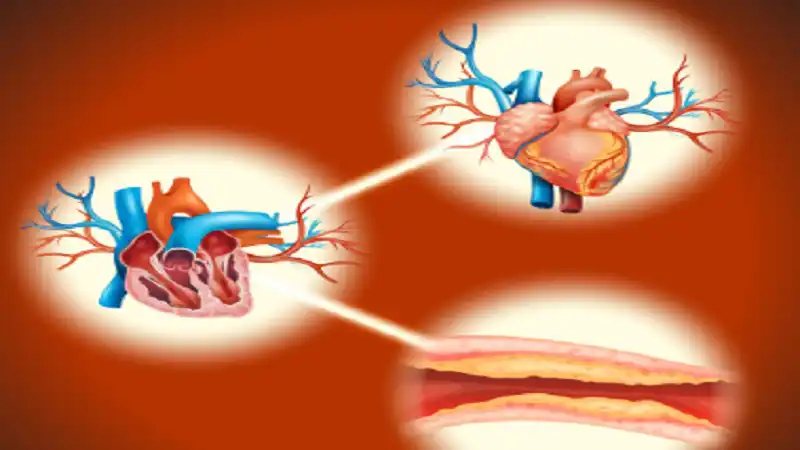
The human heart has a natural electrical system that controls the timing and rhythm of each heartbeat. Normally, electrical signals begin in the sinoatrial node, which is located in the upper right chamber of the heart. These signals travel through the heart in a coordinated pattern, allowing the upper and lower chambers to contract and pump blood efficiently.
Sometimes, an electrical signal begins earlier than expected in the upper chambers of the heart. This can produce an extra heartbeat, commonly known as a premature beat. Although these beats can sometimes feel unusual, they are common and are often harmless in people without underlying heart disease.
Supraventricular ectopy is the term used to describe premature heartbeats that originate above the ventricles, usually in the atria or nearby electrical tissues. Understanding this condition can help people recognize possible symptoms, learn why it occurs, and know when medical assessment is necessary.
This article explains the meaning of supraventricular ectopic beats, their causes, symptoms, diagnosis, treatment options, and practical guidelines for maintaining heart health.
What Is Supraventricular Ectopy?
Supraventricular ectopy refers to extra heartbeats that begin in the upper chambers of the heart or in nearby tissues above the ventricles. These premature beats occur before the next expected normal heartbeat.
The heart has four chambers: two upper chambers called the atria and two lower chambers called the ventricles. Under normal conditions, electrical signals travel through the heart in an organized sequence. An ectopic beat occurs when an electrical impulse develops outside the usual starting point or activates the heart earlier than expected.
Two common types of premature supraventricular beats are:
- Premature atrial contractions (PACs): Extra beats that originate in the atria.
- Premature junctional contractions: Early beats that originate near the atrioventricular junction, where electrical signals pass from the atria toward the ventricles.
These beats may occur occasionally or frequently. Some people experience no noticeable symptoms, while others feel a skipped beat, a fluttering sensation, or a brief pause followed by a stronger heartbeat.
The importance of these extra beats depends on factors such as their frequency, associated symptoms, and the presence or absence of underlying heart disease.
What Causes Supraventricular Ectopy?
There is no single cause of premature supraventricular beats. They can occur in healthy individuals as well as in people with cardiovascular conditions.
1. Stress and Anxiety
Emotional stress can activate the body’s stress-response system and increase the release of hormones that affect heart rate and electrical activity.
Some people notice extra beats during periods of worry, nervousness, or emotional tension. Stress does not necessarily indicate a heart problem, but persistent symptoms should not automatically be attributed to anxiety.
2. Caffeine and Stimulants
Caffeine affects people differently. Coffee, tea, energy drinks, and some supplements may trigger palpitations in sensitive individuals.
Nicotine and certain stimulant medications can also influence heart rhythm. Anyone who suspects that a substance is contributing to symptoms should discuss it with a healthcare professional before making medication changes.
3. Lack of Sleep
Insufficient sleep and irregular sleep schedules can affect the body’s normal regulation of heart rate and stress hormones.
Maintaining a consistent sleep routine may help reduce symptoms in some people, particularly when poor sleep is a clear trigger.
4. Alcohol Consumption
Alcohol may contribute to palpitations in some individuals. The likelihood of symptoms can vary according to the amount consumed, personal sensitivity, and existing health conditions.
Reducing or avoiding alcohol may be helpful for people who notice a consistent relationship between drinking and irregular heartbeats.
5. Dehydration and Electrolyte Imbalances
Dehydration can affect circulation and the balance of electrolytes in the body. Electrolytes such as potassium and magnesium play important roles in normal electrical activity.
Significant abnormalities may contribute to rhythm disturbances. However, supplements should not be taken automatically, because excessive amounts can also be harmful.
6. Underlying Medical Conditions
Certain conditions may be associated with ectopic beats, including thyroid disorders, anemia, sleep-related breathing disorders, and structural heart disease.
Some medicines can also influence heart rhythm. A clinician may review medications, medical history, and symptoms to identify possible contributing factors.
Common Symptoms of Supraventricular Ectopy
Many people have premature supraventricular beats without experiencing any symptoms. In other cases, the extra beats may be noticeable, especially when a person is resting or lying quietly.
Common symptoms include:
- A fluttering sensation in the chest.
- A feeling that the heart has skipped a beat.
- A brief pause followed by a stronger heartbeat.
- An occasional sensation of the heart beating unusually fast.
- Mild awareness of the heartbeat during rest.
- Anxiety or concern caused by the unusual sensation.
Some people describe the experience as a brief thump in the chest. This can happen because the heartbeat following a premature beat may be stronger than usual.
When Symptoms Need Urgent Attention
Premature beats are often harmless, but certain symptoms require immediate medical assessment.
Seek emergency medical care if palpitations occur with chest pain, severe shortness of breath, fainting, or severe dizziness. These symptoms can indicate a more serious condition and should not be assumed to result from harmless ectopic beats.
Arrange a medical appointment if the palpitations are new, becoming more frequent, lasting longer, or affecting everyday activities. Assessment is especially important for people with known heart disease or a family history of serious heart rhythm problems.
How Is Supraventricular Ectopy Diagnosed?
Diagnosis usually involves reviewing symptoms, medical history, and heart rhythm recordings. The goal is to confirm the type of extra beat and determine whether an underlying condition needs attention.
1. Medical History and Physical Examination
A healthcare professional may ask when the symptoms began, how often they occur, how long they last, and whether they are associated with exercise, stress, caffeine, or other triggers.
The clinician may also ask about medications, existing medical conditions, and any family history of heart disease.
A physical examination may include checking the pulse, blood pressure, and general cardiovascular health.
2. Electrocardiogram (ECG)
An electrocardiogram records the electrical activity of the heart. It can identify premature beats when they occur during the recording.
However, an ordinary ECG lasts only a short time. If the extra beats happen occasionally, they may not appear during the test.
3. Holter Monitor
A Holter monitor is a portable device that records heart rhythm continuously, often for 24 to 48 hours or another period recommended by a clinician.
It can help determine how frequently ectopic beats occur and whether symptoms correspond to changes in heart rhythm.
4. Event Monitor
An event monitor may be useful when symptoms occur less frequently. Depending on the device, it can record rhythm over a longer period and may allow the user to mark episodes when symptoms occur.
The appropriate monitoring method depends on how often the symptoms happen and the clinical situation.
5. Blood Tests and Echocardiography
Blood tests may be recommended to assess thyroid function, blood count, or electrolyte levels when clinically appropriate.
An echocardiogram uses ultrasound to examine the structure and function of the heart. It may be considered if symptoms, examination findings, or medical history suggest possible structural heart disease.
Not everyone with occasional ectopic beats requires every test. Investigations should be selected according to the individual’s symptoms and risk factors.
Treatment Options for Supraventricular Ectopy
Treatment depends on symptom severity, the frequency of the beats, and whether another medical condition is present.
1. Reassurance and Observation
If the ectopic beats are occasional, the heart is otherwise healthy, and there are no concerning symptoms, treatment may not be necessary.
A clinician may explain the findings and recommend monitoring symptoms over time. Reassurance can be helpful because worrying about every heartbeat may increase stress and make palpitations more noticeable.
2. Lifestyle Changes
Simple lifestyle adjustments may reduce symptoms in some people.
Helpful measures include:
- Getting sufficient, regular sleep.
- Drinking enough fluids according to individual medical needs.
- Reducing caffeine if it appears to trigger symptoms.
- Avoiding nicotine and recreational stimulants.
- Limiting or avoiding alcohol if it contributes to palpitations.
- Practicing relaxation techniques to manage stress.
- Maintaining regular, appropriate physical activity.
People with fluid restrictions or other medical conditions should follow their clinician’s advice rather than increasing fluid intake without guidance.
3. Treating Underlying Conditions
If an underlying problem is identified, treating it may help improve symptoms. For example, a thyroid disorder or a significant electrolyte imbalance may require specific medical management.
A healthcare professional may also review medicines that could be contributing to palpitations.
4. Medication
Medication is not usually required for occasional, uncomplicated ectopic beats. However, when symptoms are troublesome, a clinician may consider a beta-blocker or another suitable treatment after assessing the person’s medical history and heart rhythm.
Medicines can have side effects and may not be appropriate for everyone. They should only be used under professional guidance.
5. Specialist Assessment
Frequent or persistent symptoms may justify referral to a cardiologist, particularly when the diagnosis is uncertain or another rhythm disorder is suspected.
Specialist assessment can help determine whether further monitoring or treatment is appropriate. Invasive procedures are generally not necessary for ordinary isolated premature atrial beats.
Lifestyle Guidelines for Better Heart Health
Healthy habits can support cardiovascular health and may reduce the frequency of palpitations in some individuals.
Maintain a Balanced Diet
Eat a varied diet containing vegetables, fruits, whole grains, suitable protein sources, and healthy fats. Limit excessive salt and highly processed foods when appropriate for your health needs.
A balanced diet helps support general cardiovascular health, although no particular food can guarantee that ectopic beats will stop.
Exercise Regularly
Appropriate physical activity can improve overall cardiovascular fitness. Choose activities that suit your age, health, and fitness level.
If palpitations repeatedly occur during exercise or are accompanied by dizziness, chest discomfort, or unusual breathlessness, stop the activity and seek medical advice. Severe or persistent symptoms require urgent assessment.
Manage Stress
Deep breathing, gentle stretching, mindfulness, and enjoyable hobbies may help reduce stress.
If anxiety is persistent or significantly affects daily life, professional support may be beneficial.
Track Symptoms
Keeping a simple diary can help identify possible patterns. Record when the palpitations occur, how long they last, and any associated activities or symptoms.
This information can help a clinician decide whether additional testing is needed.
What Is the Difference Between Supraventricular Ectopy and Other Arrhythmias?
Not every irregular heartbeat represents the same condition. Different arrhythmias have different electrical patterns, risks, and treatment requirements.
Premature atrial contractions are early beats originating in the atria. Atrial fibrillation, by contrast, is a sustained or recurring rhythm disorder characterized by disorganized electrical activity in the atria. Supraventricular tachycardia generally refers to episodes of an abnormally rapid rhythm arising above the ventricles.
These conditions should not be treated as interchangeable.
Occasional premature beats are common and often benign. Frequent ectopic activity can sometimes be associated with a greater likelihood of developing other rhythm problems, including atrial fibrillation, particularly in people with additional risk factors.
This association does not mean that everyone with premature beats will develop a more serious arrhythmia. An ECG or appropriate rhythm monitoring is needed to distinguish between different conditions.
Conclusion
Supraventricular ectopy describes premature heartbeats that originate in the upper chambers of the heart or nearby electrical tissues. These beats are common and often harmless, particularly in people without underlying cardiovascular disease. However, symptoms, frequency, and individual medical history are important when deciding whether further assessment is needed.
Understanding supraventricular ectopy can help people recognize common triggers, follow sensible lifestyle practices, and communicate more effectively with healthcare professionals. Diagnosis may involve an ECG, heart rhythm monitoring, blood tests, or other investigations when appropriate.
Treatment is often unnecessary for occasional beats, while lifestyle adjustments and management of underlying conditions may help people with recurring symptoms. Medication or specialist evaluation may be considered when symptoms are persistent or concerning.
Most importantly, do not ignore palpitations accompanied by chest pain, fainting, or severe breathlessness. Seek emergency care for these warning signs. For ongoing or unexplained symptoms, professional medical advice is the safest way to understand the cause and determine the appropriate next steps. See more