
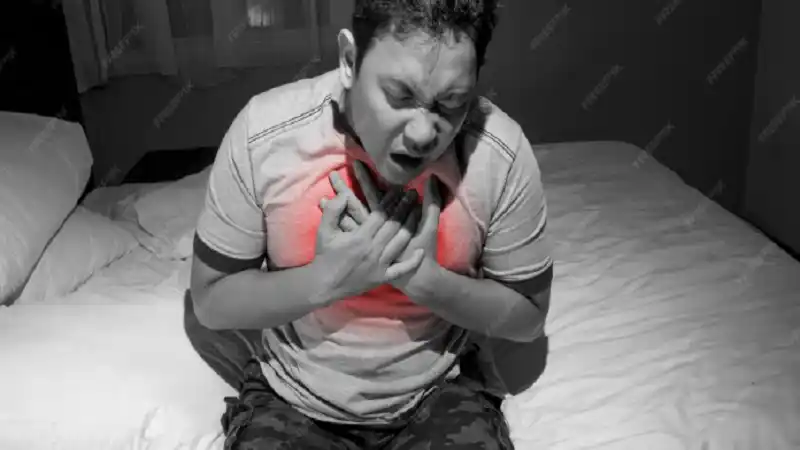
Supraventricular tachycardia (SVT) is a heart rhythm disorder in which the upper chambers of the heart suddenly beat faster than normal, even at rest. These rapid heartbeats can last from a few seconds to several hours and often begin and stop abruptly.
During an SVT episode, the heart does not have enough time to fill properly with blood, reducing blood flow to the body. This can cause symptoms such as a racing heartbeat, dizziness, shortness of breath, and chest discomfort.
Some people notice clear warning signs, while others may experience mild or subtle symptoms. Recognizing SVT symptoms early is crucial for timely diagnosis, effective treatment, and long-term heart health.
What Does SVT Feel Like?
SVT often feels like a sudden change in your heartbeat. Many people describe it as a rapid fluttering or pounding sensation in the chest.
In most cases, the heart rate exceeds 100 beats per minute during rest, which is not normal for a healthy individual.
Episodes usually start and stop abruptly, which makes the condition more noticeable and sometimes alarming.
Common Supraventricular Tachycardia Symptoms
The symptoms of SVT can vary from mild discomfort to severe distress. The most common signs include:
1. Rapid Heartbeat (Palpitations)
A fast, racing, or irregular heartbeat is the most noticeable symptom. It may feel like your heart is fluttering or pounding hard inside your chest. A sudden onset of a very fast, pounding heart rate (palpitations).
2. Chest Discomfort or Pain
Some individuals feel pressure, tightness, or mild pain in the chest during an episode. This can be mistaken for other heart-related conditions.
3. Dizziness or Lightheadedness
Reduced blood flow to the brain can make you feel dizzy or unsteady. This symptom often appears suddenly during an episode.
4. Shortness of Breath
Breathing may become difficult because the heart is not pumping efficiently. Even minimal activity can feel exhausting.
5. Fatigue
A rapid heart rate puts extra strain on the body, leading to unusual tiredness or weakness.
6. Sweating
Unexpected sweating without physical activity is another common sign, especially during intense episodes.
7. Fainting (Syncope)
In more serious cases, a person may lose consciousness due to insufficient blood flow to the brain.
Less Noticeable Symptoms
Not all symptoms are dramatic. Some people may experience subtle signs such as:
- Mild chest uneasiness
- Slight fatigue
- Occasional awareness of heartbeat
These symptoms are often ignored but can still indicate an underlying rhythm issue.
When Symptoms Become Serious
Although SVT is not life-threatening in most cases, symptoms can become severe if the condition is prolonged or linked to other heart problems.
Seek immediate medical attention if you experience:
- Severe chest pain
- Difficulty breathing
- Persistent dizziness
- Fainting
These signs may indicate a more serious complication that requires urgent care.
What Triggers SVT Symptoms?
SVT episodes are often triggered by specific lifestyle or physical factors. Common triggers include:
- Stress or anxiety
- Excess caffeine intake
- Alcohol consumption
- Smoking
- Lack of sleep
- Dehydration
- Intense physical activity
Identifying and avoiding these triggers can significantly reduce the frequency of symptoms.
Who Is More Likely to Experience Symptoms?
SVT can affect both children and adults, but certain factors increase the likelihood of experiencing symptoms:
- High stress levels
- Excessive caffeine or alcohol use
- Smoking habits
- Existing heart or lung conditions
- Thyroid disorders or diabetes
- Pregnancy
People with these risk factors may notice more frequent or intense episodes.
How Long Do SVT Symptoms Last?
The duration of symptoms varies from person to person:
- A few seconds in mild cases
- Several minutes during typical episodes
- Hours in more persistent cases
Episodes usually begin and end suddenly, which is a key characteristic of SVT.
Why Recognizing Symptoms Matters
Ignoring SVT symptoms can lead to complications over time, especially if episodes occur frequently. Early recognition allows for:
- Accurate diagnosis
- Better symptom control
- Reduced risk of complications
Paying attention to how your body responds during an episode can help healthcare providers determine the exact type of rhythm problem.
Conclusion
Supraventricular tachycardia (SVT) symptoms primarily involve a sudden, rapid heartbeat and may include dizziness, fatigue, shortness of breath, and chest discomfort. While some episodes are mild, others can disrupt daily activities or indicate an underlying heart condition.
Recognizing SVT symptoms early allows for prompt response and effective management. If episodes become frequent or severe, consulting a healthcare professional is crucial to protect long-term heart health.