
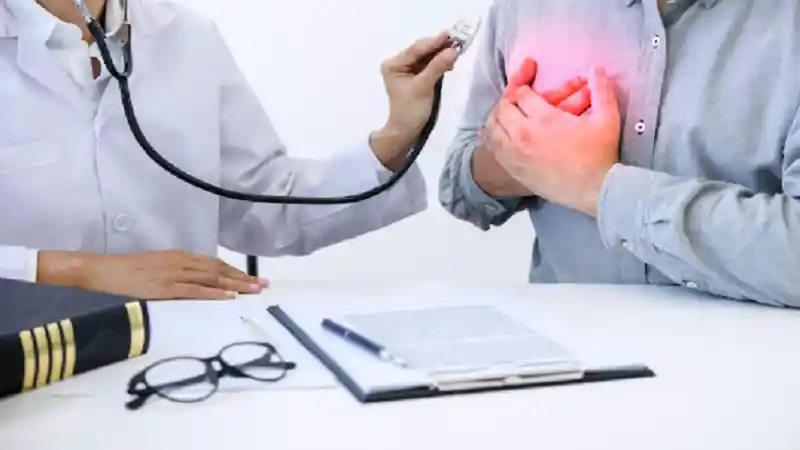
The human heart normally beats at a steady rate, supplying oxygen-rich blood throughout the body. However, sometimes the heart suddenly begins beating much faster than usual. This change may happen without warning and can last for a few seconds, several minutes, or longer. One condition that causes these episodes is a heart rhythm disorder known as paroxysmal supraventricular tachycardia (PSVT).
This condition occurs when abnormal electrical signals cause the heart to beat rapidly. The episodes often begin and end suddenly, and some people experience them only occasionally. Others may have repeated episodes that interfere with their daily activities or cause considerable discomfort.
Although a rapid heartbeat can feel frightening, many cases of PSVT are treatable. Understanding the symptoms, possible triggers, diagnostic methods, and available treatments can help people recognize the condition and seek appropriate medical care.
This article explains the meaning of PSVT, how it affects the heart, its common symptoms, possible causes, treatment options, and practical guidelines for living with the condition. It is intended for general education and does not replace advice from a qualified healthcare professional.
1. What Is Paroxysmal Supraventricular Tachycardia?
Paroxysmal supraventricular tachycardia is a type of abnormal heart rhythm, or arrhythmia, that causes episodes of an unusually fast heartbeat. The term describes several related rhythm disorders that originate in the upper part of the heart or involve electrical pathways above the ventricles.
The word paroxysmal means that an episode starts and stops suddenly. Supraventricular refers to a location above the ventricles, which are the heart’s lower pumping chambers. Tachycardia means a faster-than-normal heart rate.
In adults, an episode often produces a heart rate of approximately 150 to 250 beats per minute, although the rate varies depending on the specific rhythm and the individual.
The heart has an electrical system that coordinates each heartbeat. Normally, electrical impulses begin in the sinoatrial node, the heart’s natural pacemaker. These impulses travel through the heart in an organized pattern, allowing its chambers to contract efficiently.
In PSVT, an abnormal electrical circuit or source of electrical activity causes the heart to beat rapidly. The heart may continue pumping blood effectively during an episode, but some people experience dizziness, breathlessness, or weakness.
Episodes can occur in otherwise healthy people, including young adults. The condition may also affect individuals with other heart problems. Its severity and treatment requirements depend on the particular rhythm, symptoms, and overall health of the person.
2. Common Symptoms of PSVT
Symptoms vary from person to person. Some individuals notice only a rapid heartbeat, while others experience several symptoms during an episode.
Common symptoms include:
-
- Palpitations: A feeling that the heart is racing, pounding, fluttering, or beating unusually hard.
-
- Dizziness: A sensation of lightheadedness or feeling unsteady.
-
- Shortness of breath: Difficulty breathing normally during a rapid heartbeat.
-
- Chest discomfort: Pressure, tightness, or discomfort in the chest.
-
- Weakness or fatigue: Feeling unusually tired during or after an episode.
-
- Anxiety or uneasiness: A sudden racing heartbeat can create a feeling of fear or alarm.
-
- Sweating: Some people experience unexpected sweating during an episode.
-
- Fainting: Loss of consciousness is less common but can occur and requires urgent medical assessment.
Episodes may last only a few seconds or continue for minutes or hours. Some people experience them while resting, sleeping, exercising, or performing ordinary activities.
The sudden beginning and ending of a rapid heartbeat can be an important clue. However, symptoms alone cannot confirm the diagnosis because other rhythm disorders and medical conditions can cause similar experiences.
Seek emergency medical help if a rapid heartbeat is accompanied by chest pain, severe shortness of breath, fainting, or severe dizziness. Do not assume that these symptoms are harmless simply because the heartbeat has stopped racing.
3. Causes and Risk Factors
PSVT usually develops because of abnormal electrical activity within the heart. In many cases, the problem involves an electrical circuit that allows an impulse to travel repeatedly through part of the heart’s conduction system.
There are several forms of this condition, and their underlying mechanisms differ.
Common Types
Atrioventricular nodal reentrant tachycardia (AVNRT): This is one of the most common forms. It occurs when electrical impulses circulate through pathways near the atrioventricular node.
Atrioventricular reentrant tachycardia (AVRT): This form involves an additional electrical connection between the upper and lower chambers. Wolff-Parkinson-White syndrome is one condition associated with an extra pathway, although not everyone with an extra pathway experiences symptoms.
Focal atrial tachycardia: In this rhythm, an area in the atria produces rapid electrical impulses. Depending on the clinical circumstances, this may be classified separately from some traditional forms of PSVT.
Factors That May Trigger Episodes
Certain factors can make an episode more likely in susceptible individuals. These include:
-
- Excessive caffeine consumption.
-
- Alcohol use.
-
- Nicotine or stimulant exposure.
-
- Emotional stress or intense anxiety.
-
- Lack of sleep.
-
- Dehydration.
-
- Strenuous physical activity.
-
- Certain medicines, including some decongestants and stimulant medications.
Not everyone has identifiable triggers. Some people experience episodes without any obvious cause.
These factors do not necessarily create the underlying electrical abnormality. Instead, they may influence how easily an episode begins. A healthcare professional can help determine whether medications, stimulants, or other personal factors may be contributing.
4. How Is PSVT Diagnosed?
Accurate diagnosis is important because several heart rhythm disorders can produce similar symptoms. A clinician will usually ask about the episodes, review the person’s medical history, and perform an examination.
The questions may include how suddenly the heartbeat starts, how long it lasts, how frequently it occurs, and whether symptoms such as chest discomfort or dizziness accompany it.
Electrocardiogram (ECG)
An electrocardiogram records the heart’s electrical activity. If the test is performed during an episode, it may identify the abnormal rhythm and help determine its type.
Because episodes can stop before a person reaches a medical facility, a normal ECG between episodes does not necessarily exclude PSVT.
Ambulatory Heart Monitoring
A clinician may recommend a portable monitor to record the heart rhythm over time.
-
- A Holter monitor records heart activity continuously, often for one or two days.
-
- An event monitor records or captures selected episodes over a longer period.
-
- Some individuals may benefit from other wearable or implanted monitoring devices, depending on how frequently symptoms occur and the clinical circumstances.
Additional Tests
Blood tests may be used to investigate contributing factors, such as thyroid abnormalities, anemia, or electrolyte disturbances.
An echocardiogram may be recommended to assess the heart’s structure and pumping function when appropriate. In selected cases, an electrophysiology study uses specialized catheters to examine the heart’s electrical pathways and identify the mechanism of the arrhythmia.
The choice of tests depends on the individual’s symptoms, examination findings, and medical history.
5. Treatment Options
Treatment depends on the type of rhythm, the frequency and duration of episodes, the severity of symptoms, and the person’s overall health.
Some individuals with infrequent, brief episodes and no concerning symptoms may need observation and education. Others require medication or a procedure to prevent repeated episodes.
Vagal Maneuvers
Certain vagal maneuvers can sometimes stop an episode by influencing the electrical activity of the heart. One example is the modified Valsalva maneuver, which involves a specific breathing and straining technique followed by a change in body position.
These techniques are appropriate only for selected types of regular, narrow-complex tachycardia and should be learned through guidance from a healthcare professional.
Do not massage the neck or carotid arteries yourself. This can be dangerous, particularly in people with certain blood vessel conditions.
If you have never been diagnosed with PSVT, seek medical guidance before attempting a maneuver during an unexplained episode. Emergency symptoms require urgent medical assessment rather than repeated attempts at home treatment.
Medications
Doctors may prescribe medicines to prevent episodes or help control the heart rate. Depending on the rhythm and individual circumstances, these may include beta blockers or certain calcium channel blockers.
Other antiarrhythmic medications may be considered in selected cases. Medication choice requires professional assessment because some drugs are unsuitable for particular rhythm disorders or underlying heart conditions.
For certain episodes that do not stop with appropriate initial measures, healthcare professionals may administer medication such as adenosine in a monitored clinical setting.
Catheter Ablation
Catheter ablation is an important treatment option for many recurrent forms of PSVT. During this procedure, a specialist guides thin catheters through blood vessels to the heart. The abnormal electrical pathway or tissue responsible for the rhythm is identified and treated using energy, commonly radiofrequency energy or cryotherapy.
Ablation can provide a long-term solution for many patients and may eliminate the need for ongoing medication. However, success rates, risks, and suitability depend on the specific arrhythmia and individual circumstances.
Emergency Treatment
If the rapid rhythm causes severe symptoms or affects circulation, emergency treatment may be required. Medical teams may use medications or synchronized electrical cardioversion, depending on the rhythm and the person’s condition.
6. Lifestyle Changes and Prevention
Lifestyle changes may reduce the frequency of episodes in some people, although they cannot eliminate every underlying electrical abnormality.
Keeping a record of symptoms and potential triggers is a useful first step. Note when episodes occur, how long they last, what you were doing beforehand, and whether you consumed caffeine, alcohol, or stimulant-containing products.
Consider the following habits:
Maintain adequate hydration. Drink fluids regularly unless a healthcare professional has advised you to restrict fluid intake.
Get sufficient sleep. Maintain a consistent sleep schedule and address persistent sleep difficulties.
Monitor caffeine intake. If caffeine appears to trigger symptoms, reduce consumption gradually and discuss recurring episodes with your clinician.
Limit alcohol and avoid recreational stimulants. These substances can provoke abnormal rhythms in susceptible individuals.
Exercise appropriately. Physical activity is beneficial for general health, but discuss exercise limits with a healthcare professional if episodes occur during exertion or cause concerning symptoms.
Review medications. Tell your clinician about prescription medicines, over-the-counter products, supplements, and energy drinks you use.
A balanced diet, regular sleep, and stress-management techniques may also support overall cardiovascular health.
7. Possible Complications and Long-Term Outlook
For many otherwise healthy people, PSVT is manageable and does not cause lasting heart damage. However, frequent or prolonged episodes can interfere with work, exercise, sleep, and daily activities.
A very rapid heartbeat may occasionally reduce the amount of blood pumped with each beat, causing dizziness, weakness, or fainting. In uncommon circumstances, prolonged tachycardia can contribute to a weakening of the heart muscle, particularly when the heart rate remains elevated for extended periods.
The risks depend on the rhythm, episode duration, underlying heart health, and other medical conditions.
Some people have only a few episodes throughout their lives. Others experience repeated attacks that require medication or catheter ablation. Many patients achieve substantial symptom improvement with appropriate treatment.
The outlook is generally favorable for common forms of PSVT, especially when the diagnosis is established and an effective management plan is in place.
8. Guidelines for Living with PSVT
Living with a heart rhythm disorder becomes easier when you understand your condition and know what to do if symptoms occur.
Follow these practical guidelines:
-
- Attend medical appointments: Discuss recurring symptoms and follow the recommended monitoring or treatment plan.
-
- Learn your personal warning signs: Recognize your usual symptoms and understand when they differ from previous episodes.
-
- Keep a symptom diary: Record episode duration, possible triggers, and associated symptoms.
-
- Use medication correctly: Take prescribed medicines as directed and do not change doses without medical advice.
-
- Learn approved response techniques: If appropriate, ask your clinician to teach you a safe vagal maneuver.
-
- Know when to seek emergency help: Chest pain, fainting, severe breathing difficulty, or severe dizziness during a rapid heartbeat should not be ignored.
-
- Inform healthcare professionals: Tell doctors and pharmacists about your diagnosis before starting new medicines or supplements.
If an episode occurs, stop strenuous activity and sit or lie down somewhere safe. If symptoms are new, persistent, unusually severe, or accompanied by warning signs, seek prompt medical assistance.
These guidelines can help you respond more confidently while ensuring that potentially serious symptoms receive appropriate attention.
Conclusion
Paroxysmal supraventricular tachycardia is a heart rhythm disorder characterized by episodes of a suddenly rapid heartbeat. Although palpitations, dizziness, breathlessness, and chest discomfort can be frightening, many forms of this condition respond well to appropriate treatment.
Understanding the symptoms, possible triggers, diagnostic tests, and available treatments can help people make informed decisions about their health. Medical evaluation is important because different arrhythmias require different approaches, and symptoms alone cannot establish the diagnosis.
For many patients, management may involve monitoring, lifestyle adjustments, medication, or catheter ablation. Regular follow-up and awareness of emergency warning signs are important parts of care.
With an accurate diagnosis and an individualized treatment plan, many people with PSVT can manage their symptoms effectively and maintain a good quality of life. Always consult a qualified healthcare professional for advice tailored to your specific symptoms and medical needs. See more