
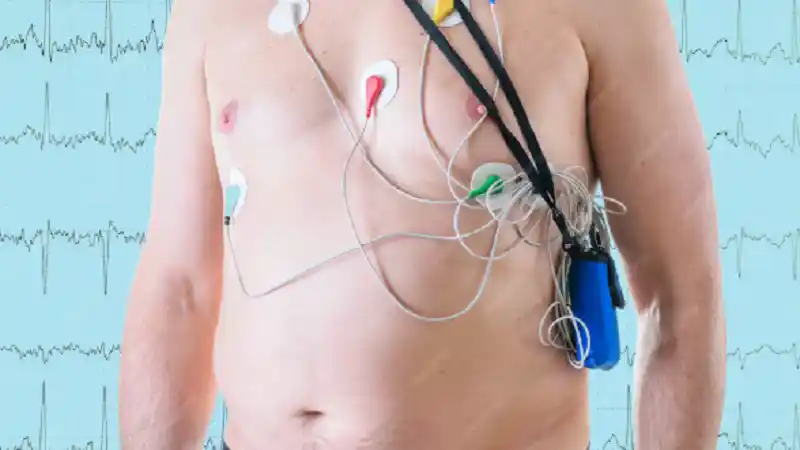
Supraventricular tachycardia treatment focuses on controlling an abnormally fast heart rate, preventing future episodes, and improving overall heart health. The right approach depends on how often symptoms occur, how severe they are, and the underlying cause of the condition.
Understanding Supraventricular Tachycardia
Supraventricular tachycardia (SVT) is a condition where the heart suddenly starts beating much faster than normal due to abnormal electrical signals in the upper chambers of the heart. Episodes may last seconds, minutes, or longer, and can cause palpitations, dizziness, or shortness of breath.
Not every case requires aggressive treatment. Many people experience mild or occasional episodes that resolve on their own. However, frequent or prolonged episodes require a structured and medically guided treatment plan.
Diagnosis Before Treatment
Accurate diagnosis is essential to select the most effective supraventricular tachycardia treatment.
Doctors begin with a physical examination, review of symptoms, and medical history. Several tests are commonly used:
Electrocardiogram records the electrical activity of the heart and helps identify abnormal rhythms.
Holter monitor tracks heart activity continuously over one to two days during normal routine.
Event recorder captures irregular heartbeats over a longer period, often up to a month.
Echocardiogram uses sound waves to assess heart structure and blood flow.
Blood tests check for underlying causes such as thyroid disorders.
Electrophysiological study identifies the exact origin of abnormal electrical signals in the heart.
These diagnostic tools ensure that treatment targets the root cause instead of just symptoms.
First-Line Supraventricular Tachycardia Treatment
Initial treatment focuses on slowing the heart rate quickly and safely.
Vagal Maneuvers
Vagal maneuvers are simple physical actions that stimulate the vagus nerve and help regulate heart rhythm. Common techniques include:
Coughing forcefully
Straining as if during a bowel movement
Applying a cold stimulus to the face
These methods are often the first step because they are non-invasive and can stop an SVT episode quickly.
Carotid Sinus Massage
A trained healthcare professional may gently apply pressure to the neck where the carotid artery is located. This can trigger a reflex that slows the heart rate. It must only be performed under medical supervision due to potential risks.
Medical Treatment Options
When episodes are frequent or do not respond to initial techniques, medications are used.
Medications
Medicines help control heart rate or restore normal rhythm. These may include:
Antiarrhythmic drugs to stabilize heart rhythm
Beta blockers to reduce heart rate
Calcium channel blockers to control electrical signals
Strict adherence to prescribed medication is essential to prevent complications and maintain stable heart function.
Cardioversion
Cardioversion is used in urgent situations or when other treatments fail. Controlled electrical shocks are delivered to the heart through pads placed on the chest. This resets the heart rhythm to normal.
In some cases, medications may also be used to achieve the same effect without electrical intervention.
Advanced Supraventricular Tachycardia Treatment
For long-term control or recurrent SVT, advanced procedures may be required.
Catheter Ablation
Catheter ablation is one of the most effective long-term treatments. Thin tubes are inserted through blood vessels and guided to the heart. Heat or cold energy is used to destroy the small areas causing abnormal electrical signals.
This procedure offers a high success rate and can permanently eliminate SVT in many patients.
Pacemaker
A pacemaker is rarely needed but may be recommended in specific cases where the heart cannot maintain a normal rhythm on its own. This small device is implanted under the skin and helps regulate heartbeats continuously.
Lifestyle Changes for Long-Term Control
Lifestyle plays a critical role in managing and preventing SVT episodes. Effective supraventricular tachycardia treatment always includes heart-healthy habits.
Avoid smoking completely as it increases cardiovascular risk
Maintain a balanced diet rich in fruits, vegetables, and whole grains
Exercise regularly based on medical advice
Control blood pressure, cholesterol, and blood sugar levels
Reduce stress through relaxation techniques such as meditation
Ensure consistent and sufficient sleep
Limit caffeine and alcohol intake
These changes not only reduce SVT episodes but also improve overall cardiovascular health.
When Immediate Treatment Is Necessary
Emergency care is required if a rapid heartbeat lasts more than a few minutes or is accompanied by severe symptoms such as chest pain, fainting, or difficulty breathing. Timely intervention prevents complications and ensures safety.
Long-Term Outlook
With proper supraventricular tachycardia treatment, most individuals lead normal, active lives. Early diagnosis, appropriate therapy, and consistent lifestyle management significantly reduce recurrence and improve quality of life.
The key to sustained results is a personalized approach that combines medical treatment with preventive care.