
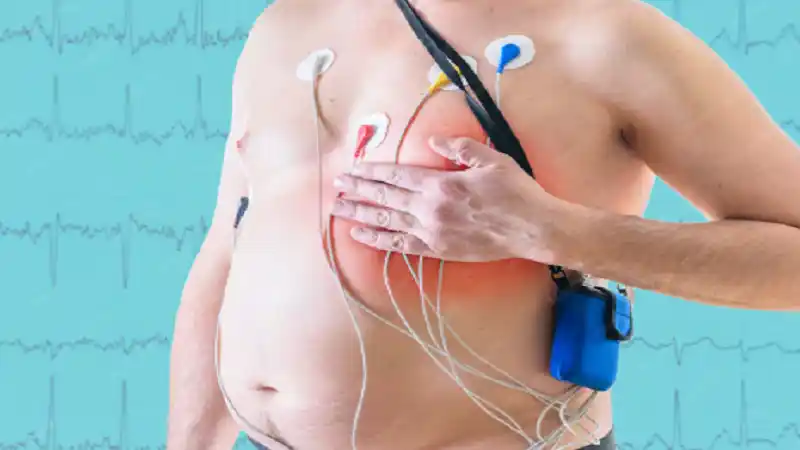
A sudden racing heartbeat can be alarming, especially when it starts without warning and seems much faster than normal. One possible cause is paroxysmal supraventricular tachycardia, a condition in which the heart suddenly begins beating very quickly because of abnormal electrical activity above the ventricles. The episodes often begin and end suddenly and may last for a few seconds, several minutes, or longer.
Although the condition can feel frightening, it is often treatable and is not usually life-threatening in people who have otherwise healthy hearts. However, a very rapid heartbeat can sometimes cause dizziness, weakness, chest discomfort, or fainting. For this reason, it is important to understand the condition, recognize its symptoms, and know when medical attention is necessary.
What Is a Rapid Heart Rhythm?
The heart normally beats in a regular pattern controlled by electrical signals. These signals begin in the sinoatrial node, which acts as the heart’s natural pacemaker. The electrical impulse travels through the upper chambers, or atria, and then reaches the lower chambers, known as the ventricles.
When the electrical system works normally, the heart pumps blood in a coordinated way. A problem with the electrical pathways can cause the heart to beat too quickly. Tachycardia generally refers to a heart rate that is faster than normal, particularly when it occurs at rest.
In paroxysmal supraventricular tachycardia, the abnormal rhythm begins above the ventricles. The word “paroxysmal” means that the episodes occur suddenly and can stop just as suddenly. During an episode, the heartbeat may become extremely fast, sometimes reaching around 150 to 250 beats per minute.
What Causes This Condition?
The most common cause is an abnormal electrical circuit within or near the atrioventricular node. Instead of an electrical signal traveling through the heart in its usual direction, it may repeatedly circulate through an extra pathway or abnormal circuit. This can create a rapid rhythm.
Several different types of supraventricular tachycardia exist. Atrioventricular nodal reentrant tachycardia, or AVNRT, is one of the most common forms. Another type is atrioventricular reentrant tachycardia, or AVRT, which involves an additional electrical pathway between the atria and ventricles.
Certain factors can make an episode more likely. These may include stress, lack of sleep, excessive caffeine, alcohol, smoking, dehydration, or intense physical activity. Some medicines and recreational substances can also affect the heart’s rhythm.
In many people, however, there is no obvious trigger. An episode may occur while a person is resting, sleeping, exercising, or carrying out an ordinary daily activity.
Common Symptoms
The symptoms can vary from one person to another. Some people experience only a noticeable racing heartbeat, while others develop several symptoms at the same time.
Common symptoms include:
- A sudden feeling that the heart is racing
- Strong or rapid heartbeats
- A fluttering or pounding sensation in the chest
- Dizziness or lightheadedness
- Shortness of breath
- Weakness or unusual tiredness
- Chest pressure or discomfort
- Sweating
- Anxiety or a feeling of panic
- Fainting or near-fainting in some cases
One important feature is the sudden beginning and ending of the episode. A person may feel completely normal and then suddenly notice that their heart is beating very quickly. The rhythm may return to normal just as unexpectedly.
Symptoms can sometimes resemble those of other heart or medical conditions. Therefore, it is not advisable to assume that every episode of a racing heartbeat is caused by the same problem.
How Is It Diagnosed?
Doctors usually begin with a medical history and physical examination. They may ask when the episodes occur, how long they last, how quickly the heartbeat feels, and whether symptoms such as chest pain, dizziness, or fainting occur.
An electrocardiogram, commonly called an ECG or EKG, is one of the most useful tests. It records the heart’s electrical activity and may identify the type of abnormal rhythm.
The difficulty is that episodes can be brief. If the heartbeat has returned to normal before the patient reaches a medical facility, a standard ECG may not capture the abnormal rhythm.
In such situations, a doctor may recommend longer-term monitoring. A Holter monitor can record heart activity continuously, often for a day or more. An event monitor may be used for a longer period and can record the heart rhythm when symptoms occur.
Additional tests may sometimes be recommended to look for underlying heart problems or other possible causes. These can include blood tests, an echocardiogram, or other cardiac investigations depending on the individual’s symptoms and medical history.
What Should You Do During an Episode?
If a person has previously been diagnosed with this condition and their doctor has explained how to respond to an episode, they may be advised to try certain vagal maneuvers. These techniques stimulate the vagus nerve and can sometimes help slow the heart’s electrical activity.
One commonly recommended technique involves bearing down as though having a bowel movement for a short period. Another method may involve certain breathing techniques. The exact method and instructions should come from a healthcare professional.
People should not attempt potentially dangerous methods on their own. For example, applying ice or pressure to the face or neck without appropriate medical instruction may not be suitable for everyone.
If the fast heartbeat is accompanied by severe chest pain, significant breathing difficulty, fainting, severe weakness, confusion, or other serious symptoms, emergency medical care should be sought.
Treatment Options
Treatment depends on the frequency and severity of episodes, the type of rhythm, and the person’s overall health.
If episodes are rare, brief, and not causing significant symptoms, a doctor may recommend observation and avoidance of known triggers. Some people may not require regular medication.
When episodes occur frequently or cause troublesome symptoms, medication may be considered. Depending on the specific rhythm and the patient’s health, doctors may prescribe medicines that help control the heart rate or prevent abnormal electrical activity.
For an episode that does not stop on its own, medical professionals can use treatments to restore a normal rhythm. In an emergency or hospital setting, a medication called adenosine is commonly used for certain types of regular supraventricular tachycardia. Other medicines may be appropriate depending on the specific rhythm and the patient’s circumstances.
Another important treatment is catheter ablation. During this procedure, a specialist guides thin tubes called catheters through blood vessels to the heart. The abnormal electrical pathway or tissue responsible for the rhythm is identified and treated with energy to prevent it from producing the abnormal circuit.
Catheter ablation can be highly effective for many forms of supraventricular tachycardia and may be recommended when episodes are frequent, severe, difficult to control with medication, or significantly affect quality of life.
Lifestyle and Prevention
Not every episode can be prevented, but some people notice that certain habits increase the likelihood of an episode.
Keeping a record of symptoms can be helpful. Write down when an episode starts, how long it lasts, what you were doing beforehand, and any foods, drinks, medicines, or stressful events that may have occurred around the same time.
Maintaining good hydration and getting adequate sleep may also help. People who notice a connection between episodes and large amounts of caffeine, alcohol, nicotine, or other stimulants may benefit from reducing or avoiding those triggers.
It is important not to stop prescribed medication without speaking with a healthcare professional. Similarly, people with repeated episodes should discuss them with a doctor rather than relying solely on lifestyle changes.
When Should You Seek Medical Help?
A racing heartbeat should be taken seriously when it is new, unusually severe, prolonged, or associated with other concerning symptoms.
Seek urgent medical attention if a rapid heartbeat occurs with:
- Severe or persistent chest pain
- Fainting or loss of consciousness
- Serious difficulty breathing
- Severe dizziness or weakness
- Confusion
- Symptoms that are rapidly getting worse
Even when symptoms are mild, repeated episodes should be discussed with a healthcare professional. Proper diagnosis is important because different heart rhythms can require different treatments.
Living With the Condition
For many people, paroxysmal supraventricular tachycardia is manageable. The episodes can be uncomfortable and frightening, but effective treatments are available. Understanding personal triggers, following medical advice, and attending recommended follow-up appointments can make the condition easier to manage.
People who have been diagnosed should learn what symptoms are typical for them and what symptoms require urgent attention. Keeping a record of episodes can also help doctors determine whether treatment needs to be changed.
It is also worth remembering that anxiety can occur during a rapid heartbeat because the sensation is intense and unexpected. However, assuming that a racing heartbeat is simply anxiety can delay proper diagnosis. A healthcare professional can determine whether the symptoms are caused by a heart rhythm problem or another condition.
Final Thoughts
Paroxysmal supraventricular tachycardia involves sudden episodes of an unusually fast heart rhythm originating above the ventricles. It can cause a racing or pounding heartbeat, dizziness, shortness of breath, chest discomfort, and other symptoms. Episodes may begin and end suddenly and can occur with or without an obvious trigger.
Diagnosis usually involves an ECG and, when necessary, longer-term heart monitoring. Treatment ranges from observation and lifestyle changes to medication and catheter ablation. The best approach depends on the type of rhythm, symptoms, frequency of episodes, and overall health.
Anyone experiencing a new or unexplained rapid heartbeat should discuss it with a healthcare professional. Severe symptoms such as chest pain, fainting, or significant breathing difficulty require urgent medical evaluation. With appropriate diagnosis and treatment, many people can successfully control the condition and continue their normal activities. See more